20oz 3D Succulent Tumbler: A Designer's Review
As an experienced embroidery designer preparing for a busy weekend craft fair, my selection process for booth inventory is rigorous. Every item on the table must earn its space through visual appeal, production efficiency, and perceived value. When evaluating the 20oz 3D Succulent Embroidery Tumbler digital asset, I approach it not just as a graphic, but as a potential best-seller for handmade market vendors. It is crucial to clarify immediately that this product is a digital file of a printable PNG download intended for sublimation or graphic design use. You will receive two 300 DPI PNG files, and no physical product or cut files are included. Understanding this distinction is vital for any Etsy seller or boutique maker integrating these graphics into their workflow.
First Impressions and Market Viability
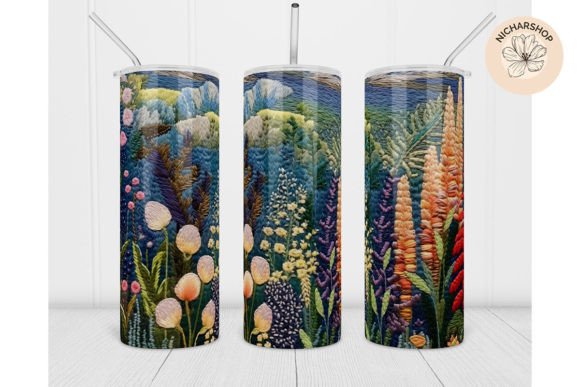
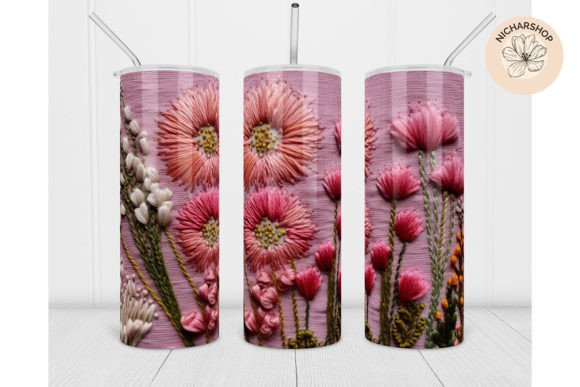
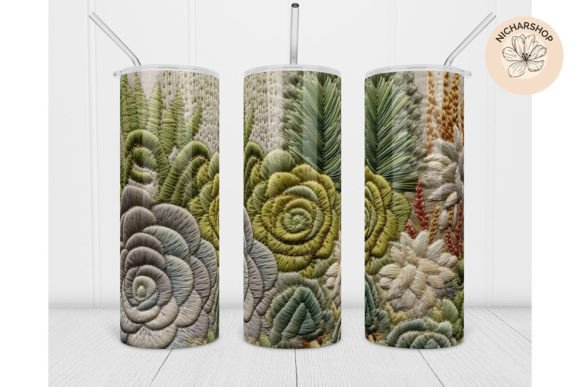
Upon reviewing the 20oz 3D Succulent Embroidery Tumbler assets, the aesthetic immediately reads as modern farmhouse with a soft, organic elegance. The "3D" descriptor in the title suggests depth and shadow work that mimics the texture of actual stitching or layered paper, which is a massive selling point in current handmade markets. Customers at craft fairs are drawn to items that look tactile and premium. Even though this is a flat PNG graphic designed for print templates, the visual illusion of dimensionality gives it a high-end feel that separates it from generic clip art.
For a craft fair product lineup, this design strikes an excellent balance between trendy and timeless. Succulents remain a staple in home decor and personal accessories because they convey a sense of calm and natural beauty without being overly seasonal. As a designer, I see this graphic performing exceptionally well as a focal point rather than a background filler. Its bold yet intricate nature demands attention, making it ideal for products where the customer has time to appreciate the detail, such as on a tote bag design or a featured apron embroidery piece.
Application Across Handmade Product Lines
Versatility is key for small shop product development. While the title specifies a tumbler, the 300 DPI resolution of these PNG files opens doors for various applications beyond drinkware. Here is how I evaluate this design across different categories:
- Sublimation Tumblers and Drinkware: This is the primary intent. The 3D effect wraps beautifully around curved surfaces, creating a realistic embroidered look without the risk of threads snagging in a dishwasher. For commercial embroidery businesses expanding into sublimation, this bridges the gap between textile and hard goods.
- Tote Bags and Market Bags: Printed onto canvas totes, the succulent design acts as a sophisticated centerpiece. Because the file is high-resolution, it maintains crisp edges even when scaled up for a large market bag. This appeals to eco-conscious shoppers looking for reusable bags that double as fashion statements.
- Kitchen Textiles: Tea towel embroidery often suffers from stiffness if the stitch density is too high. Using this printable PNG for sublimated tea towels offers the visual of complex embroidery while keeping the fabric soft and absorbent. It is a practical solution for batch production before a market.
- Patches and Caps: While this is not a cut file, the graphic serves as an exceptional reference for digitizing a machine embroidery design. Alternatively, printed vinyl transfers using this PNG can be applied to caps and pouches for a mixed-media look that saves hoop time during peak selling seasons.
- Digital Listings: For Etsy sellers, these files serve as perfect printable mockups. Showing customers what the finished product looks like with professional lighting and shading increases conversion rates significantly.
Production Practicalities and Booth Display Strategy
When prepping for a weekend show, production speed matters. One of the strongest advantages of utilizing the 20oz 3D Succulent Embroidery Tumbler PNG for sublimation or direct-to-film transfers is the elimination of thread breaks and bobbin changes associated with traditional machine embroidery. This allows for rapid batch creation of inventory. However, as a designer, I must emphasize the importance of color management. Since you are working with RGB or CMYK digital assets rather than physical thread colors, always print a test swatch on your specific substrate. Sublimation ink shifts during heat pressing, and you want to ensure the greens and shadows retain their vibrancy and do not turn muddy.
In terms of booth display, this design supports strong brand consistency. If you sell embroidered patches or stitched pillow covers featuring botanical themes, adding sublimated tumblers with this matching 3D succulent graphic creates a cohesive collection. Customers are more likely to purchase multiple items when they perceive a curated aesthetic. The "3D" aspect also photographs beautifully for social media marketing leading up to the fair, generating anticipation and online engagement.
Critical Technical Considerations for Makers
While this asset is versatile, there are careful-use notes every creative entrepreneur must heed. First, verify your licensing. The description states this is for sublimation or graphic design, but you must confirm if the license permits commercial use on finished products sold at craft fairs. Never assume; always check the specific terms provided by the creator.
Secondly, understand the limitations of the format. This is not a cut file for Cricut or Silhouette users seeking vinyl decals. Attempting to trace this detailed 3D image for cutting will likely result in frustration and poor quality due to the shading gradients. Treat it strictly as a raster graphic for printing. Additionally, while 300 DPI is standard for print, always measure your intended application area. Scaling a PNG up beyond its native pixel dimensions will cause pixelation, ruining the premium 3D illusion. If you plan to apply this to a large pillow cover, ensure the original file dimensions support that size.
For those who wish to translate this visual style into actual machine embroidery, use this PNG as a visual guide only. Do not attempt to auto-digitize a shaded 3D PNG directly; the resulting stitch file will be dense, thread-heavy, and prone to registration issues. Instead, let the graphic inspire a custom digitized version where you manually assign stitch types to recreate the depth using satin stitches, fill patterns, and strategic underlay. This respects both the medium of embroidery and the integrity of the original artwork.
Enhancing Value Through Professional Execution
The difference between a hobbyist and a professional vendor lies in execution. When using the 20oz 3D Succulent Embroidery Tumbler graphics, treat them as premium design assets. Pair them with high-quality blanks. A stunning 3D succulent print on a cheap, thin tumbler diminishes the perceived value. Conversely, placing it on a powder-coated, insulated vessel elevates the entire handmade product line.
Consider the negative space. Just as we leave breathing room in hoop sizing for stabilizer performance, allow adequate margin around the graphic in your layout. Crowded designs look cluttered and unprofessional. Whether you are creating a digital embroidery file listing or a physical sublimated gift, clean presentation signals quality to the buyer.
Finally, engage your customers with the story behind the product. At your booth, explain that the design features a unique 3D artistic rendering inspired by embroidery textures. This narrative connects the digital origin to the handmade spirit, satisfying customers who appreciate craftsmanship in all forms. By leveraging the visual strength of these PNG files while respecting their technical parameters, you can create a profitable, aesthetically pleasing product line that stands out in a crowded marketplace. Always test, always verify licenses, and always prioritize quality over quantity to build a sustainable handmade business.