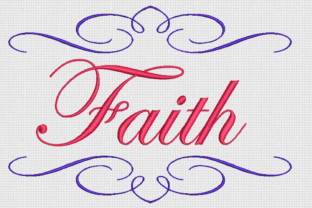
Faith in Edwardian Script: A Designer’s Review
As an embroidery designer who has digitized and tested thousands of fonts for commercial use, I approach every new machine embroidery design with a critical eye. When planning inventory for a personalized gift shop or preparing listings for an Etsy store, the difference between a bestseller and a return often lies in the stitch quality and emotional resonance of the typography. Recently, I took "Faith," rendered in Edwardian Script, through a rigorous testing phase to determine its viability for high-end custom orders. This review breaks down my experience stitching this design onto real products intended for meaningful gifting.
First Impressions: Elegance Meets Emotional Weight
My initial reaction to Faith was that it strikes a delicate balance between vintage romance and modern readability. Edwardian Script is inherently ornate, featuring sweeping swashes and varying stroke widths that mimic traditional calligraphy. However, script fonts can sometimes be treacherous in machine embroidery; if the columns are too thin, they break, and if the spacing is too tight, the fabric puckers. Faith appears to have been digitized with the end product in mind. The mood is undeniably sweet and reverent, making it an immediate contender for the Awareness Inspiration category. It does not feel like generic clip art; rather, it carries the weight of a handmade product crafted with intention. For a business owner, this perceived value is crucial. Customers looking for spiritual or sentimental items are buying a feeling, not just thread on fabric, and this design delivers that emotional connection immediately upon seeing the digital proof.
Real-World Application: From Nursery to Wedding Registry
To truly evaluate this embroidery file, I simulated three distinct customer scenarios common in my shop. The versatility of Faith allows it to cross over between several lucrative niches without losing its identity.
Baby Embroidery and Nursery Decor
For a nursery blanket order, I tested Faith on minky fabric. The flowing nature of the script complements the softness of baby textiles perfectly. Unlike block letters which can look harsh against plush materials, the curves of Faith integrate organically into the fabric texture. As a baby embroidery option, it appeals to parents seeking something timeless rather than trendy. However, because Edwardian Script includes fine connecting lines, I had to ensure the design size remained large enough to maintain structural integrity on stretchy knits. When used correctly on a receiving blanket or bib, it elevates the item from a basic necessity to a cherished heirloom.
Wedding Gifts and Keepsakes
The wedding market demands sophistication. I stitched Faith onto a linen pillow cover as part of a bridal suite test. Here, the design shines as a centerpiece. Paired with a simple border or a date, it serves as a stunning wedding gift that photographs beautifully for social media marketing. The elegance of the script suggests luxury, allowing small business owners to command higher price points for finished goods. It works exceptionally well for ring bearer pillows, guest book alternatives, and anniversary keepsakes where legibility and beauty must coexist.
Kitchen Linens and Daily Reminders
Awareness and inspiration products often live in functional spaces. I tested Faith on a flour sack towel to see how it holds up as a daily reminder in a kitchen setting. While elegant, it remains legible from a distance, which is vital for wall hangings or tea towels. This application attracts customers looking for faith-based home decor that feels stylish rather than outdated. For Etsy sellers, offering this design on functional items like aprons or tote bags expands your reach beyond the seasonal holiday rush into year-round sales.
Critical Considerations: Where to Tread Carefully
No digital embroidery file is perfect for every substrate, and as a professional, I must highlight where Faith requires extra attention during production planning.
- Textured and Pile Fabrics: On thick terry cloth or high-pile fleece, the finer details of Edwardian Script can get lost. You may need to increase the size significantly or add a topping to prevent stitches from sinking. Always check the minimum recommended size before committing to a textured embroidered towel.
- Small Lettering Limitations: While beautiful at 4x4 inches or larger, scaling Faith down below 2 inches wide risks stitch failure. The intricate loops require adequate column width. If a customer requests a tiny wrist cuff or tag label, consider a simpler font and reserve Faith for larger focal points.
- Dark Fabric Contrast: This script relies on line variation for its beauty. On dark fabrics, ensure you use high-sheen rayon or polyester threads to maintain definition. Matte cotton threads may cause the design to disappear visually against black or navy backgrounds.
- Stretchy Performance Wear: Avoid using this specific script on high-stretch activewear unless properly stabilized. The rigid nature of dense script stitches can conflict with flexible fabrics, leading to distortion after washing.
The Business Impact: Value, Trust, and Photography
From a commercial perspective, Faith directly influences buyer engagement. In the world of custom embroidery, photography sells the product. The ornate loops of this script create natural shadows and highlights that make flat-lay photos pop. This visual interest increases click-through rates on marketplace listings. Furthermore, offering a specialized, high-quality script builds customer trust. Buyers recognize the difference between a standard system font and a purpose-built embroidery design. When they see clean satin stitches and smooth transitions in your listing photos, they perceive your shop as professional and detail-oriented. This perception justifies premium pricing for small shop products and encourages repeat business for future personalized gifts.
Practical Notes for Makers and Sellers
Before adding Faith to your production lineup or digital catalog, adhere to these professional best practices to ensure consistent results:
- Verify Technical Specs: Since this design comes with multiple formats for various machines, always confirm the specific hoop size requirements and stitch count for your target project. Do not assume compatibility without checking the included documentation.
- Stabilizer Selection is Key: For woven fabrics like linen or cotton, use a medium-weight cutaway or tear-away depending on drape preference. For knits and baby items, a fusible no-show mesh is non-negotiable to prevent puckering around those elegant curves.
- Test Stitch Density: Run a sample on scrap fabric identical to your final product. Check the back of the embroidery; excessive jump stitches or bobbin thread showing on top indicates tension issues or inadequate stabilization for this specific script.
- Mockup Accuracy: If selling the digital embroidery file itself, create accurate printable mockups that reflect the true scale and sheen of the thread. Misleading previews lead to refunds. Show the design on both light and dark backgrounds to demonstrate versatility.
- Licensing Compliance: Before selling finished goods or the file itself, review the commercial licensing terms provided with Faith. Respecting intellectual property protects your business reputation and supports fellow designers.
- Thread Color Strategy: Test variegated threads cautiously. While they can look beautiful, rapid color changes can sometimes obscure the letterforms of Edwardian Script. Solid, high-contrast colors usually yield the most readable and professional results for text-heavy designs.
Faith in Edwardian Script represents more than just a collection of stitches; it is a tool for creating connection. Whether you are crafting a blanket embroidery for a newborn or designing a new line of inspirational totes, this design offers the technical reliability and aesthetic warmth necessary for successful personalized products. By understanding its strengths and respecting its limitations, you can confidently integrate it into your workflow, ensuring that every finished piece honors both the craft and the sentiment behind it.