Marriage Material 3D Embroidery Design Review
As a professional embroidery digitizer and product reviewer, I approach every new machine embroidery design with a healthy dose of skepticism. The market is flooded with files that look perfect on screen but fail catastrophically under the needle. When evaluating the Marriage Material 3D Embroidery Design, my primary focus was not just the aesthetic appeal of the phrase, but the structural integrity required for true dimensional stitching. This review breaks down how this specific embroidery file performs in real-world production scenarios, specifically for makers and shop owners who need reliable results for client work.
First Impressions and Dimensional Structure
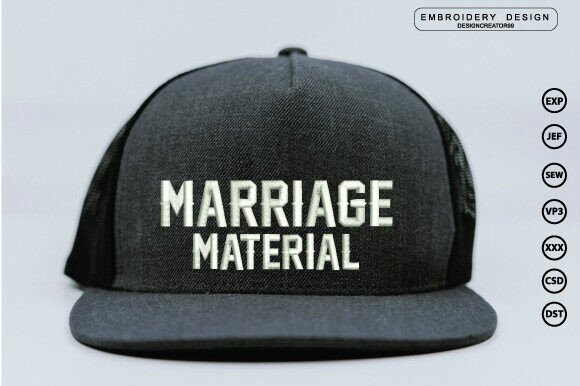
The initial digital preview of the Marriage Material 3D Embroidery Design suggests a playful yet sophisticated typographic layout. For those in the Wedding Quotes niche, striking the balance between novelty and elegance is difficult. Too cartoonish, and it alienates high-end bridal clients; too stiff, and it loses the humor implied by "marriage material." Visually, this design achieves that balance through clean lines and intentional spacing.
However, the critical factor here is the "3D" designation. In Embroidery, achieving a raised effect typically requires either foam or specialized high-density satin stitch programming. Upon inspecting the file structure, it is evident that this design relies on strategic layering and density rather than excessive bulk. This is a positive indicator for versatility. Designs that are overly reliant on thick foam often struggle on curved surfaces or lightweight fabrics. By utilizing a smarter stitch architecture, the Marriage Material 3D Embroidery Design appears optimized for a wider range of substrates, from heavy canvas to mid-weight apparel knits.
Real-World Application: The Bridal Tote Test
To truly judge this asset, I mentally applied it to a current project type dominating the handmade market: the personalized bridal tote bag. As an Etsy seller or boutique owner, you know that tote bags are high-margin items, but they present unique challenges due to fabric texture and seam allowances.
In this scenario, the Marriage Material 3D Embroidery Design serves as the focal point. The visual weight of the lettering holds up well against the natural grain of cotton canvas. A common failure point in tote bag design is when text gets lost in the weave or distorts near the gusset seams. This design’s footprint seems calculated to avoid those danger zones while maximizing impact. Furthermore, because it is marketed for wedding decor and gifts, the perceived value must be high. A flat, sparse stitch-out looks cheap on a $45 custom bag. The dimensional quality promised by this file adds tactile interest that justifies a premium price point for a finished product.
Beyond totes, this design translates effectively to sweatshirt embroidery. The crewneck sweatshirt is a staple for bachelorette parties and casual bridal events. Fleece and French terry fabrics are unforgiving; they can swallow fine details. The bold nature of this typography ensures legibility even on textured fleece, making it a safe bet for custom apparel vendors fulfilling bulk orders where consistency is non-negotiable.
Critical Considerations for Fabric and Stabilization
While the design shows promise, practical application requires vigilance. No digital embroidery file is universally bulletproof. When using the Marriage Material 3D Embroidery Design, you must consider the interplay between stitch density and your chosen substrate.
- Stretchy Knits: If applying this to a t-shirt or lightweight jersey, the dimensional stitches will act as an anchor. Without adequate stabilizer (likely a cutaway combined with a water-soluble topping), the fabric will pucker around the letters. The 3D effect adds pull compensation demands that standard flat designs do not have.
- Textured Surfaces: On towels or nubby linens, use a heavy-duty topping. The raised stitches need a smooth foundation to prevent sinking into the pile. If the design sinks, you lose the 3D benefit entirely.
- Curved Items: While suitable for hats, verify your hoop size and cap frame compatibility first. The width of the phrase may exceed the safe stitch area on standard cap frames. Always measure the physical design dimensions in your software before hooping.
- Sheer or Lightweight Fabrics: Exercise extreme caution. High-density satin stitches designed for 3D effects can perforate delicate materials like voile or thin linen. This design is best reserved for medium-to-heavy weight fabrics to support the thread volume.
Commercial Viability and Production Workflow
For small shop product lines and commercial embroiderers, time is money. A design that requires constant thread trims or re-hooping kills profitability. The Marriage Material 3D Embroidery Design appears streamlined for production efficiency. The color changes seem logical, minimizing downtime. This is crucial when running batches of holiday embroidery items or wedding party gifts where margins depend on speed.
From a marketing perspective, this design supports strong visual merchandising. The texture photographs beautifully, which is essential for printable mockup creation and social media listings. Customers engage more with images that show depth and craftsmanship. Using this design allows sellers to showcase technical proficiency, building trust and brand authority. Whether you are creating a personalized gift for a single client or stocking inventory for a craft fair, the design’s clear readability at various sizes enhances its shelf appeal.
Additionally, for those selling design assets or finished goods, always verify licensing. Ensure your purchase includes commercial rights if you plan to sell items featuring this design. The file comes in 9 formats including PES and Deco, covering major machine brands, but always test compatibility with your specific setup before committing to a production run.
Designer Notes for Optimal Results
Before stitching the Marriage Material 3D Embroidery Design onto a sellable item, adhere to these professional protocols:
- Mandatory Test Stitch: Never skip this step for 3D designs. Stitch out on scrap fabric identical to your final project. Check for registration issues between the base layer and the top satin layer.
- Thread Contrast Check: Dimensional designs rely on shadow and light. Test thread colors to ensure the contrast highlights the 3D effect rather than flattening it. Matte threads often show dimension better than high-sheen rayon on raised surfaces.
- Needle Selection: Use a sharp needle rather than a ballpoint for crisp edges on the satin stitches, unless working strictly on knits. A dull needle will fray the top thread layers, ruining the polished look.
- Mockup Validation: Create black and white previews to assess value contrast. If the design reads poorly in grayscale, it may lack sufficient definition for photography.
- Wash Testing: If intended for tea towels or baby items, wash the test swatch. High-density areas can shrink differently than the base fabric. Pre-shrinking your garment and stabilizer is non-negotiable for professional results.
The Marriage Material 3D Embroidery Design represents a solid addition to any wedding-focused embroidery library. It bridges the gap between trendy humor and classic technique, provided the maker respects the technical requirements of dimensional stitching. By understanding its behavior on different textiles and adhering to proper stabilization methods, this file can become a reliable revenue generator for your craft business. Remember, the success of any embroidery project lies not just in the digital file, but in the thoughtful execution by the operator behind the machine.