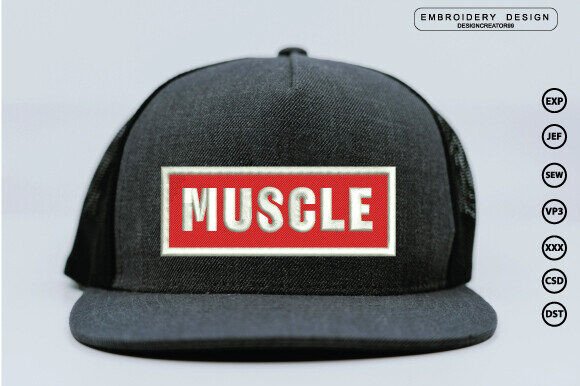
Muscle 3D Embroidery Design: A Pro Review
As an experienced embroidery designer specializing in commercial merchandise and branded assets, I approach every new machine embroidery design with a critical eye toward production viability. When evaluating the Muscle 3D Embroidery Design for small business applications, my primary focus is not just aesthetic appeal, but how the digitizing translates to physical goods like uniforms, patches, and retail items. This review breaks down the technical performance and branding potential of this specific embroidery file for shop owners, Etsy sellers, and apparel decorators looking to expand their product lines.
First Impressions: Visual Weight and Brand Personality
Upon loading the Muscle 3D Embroidery Design into my editing software, the immediate impression is one of boldness and structural integrity. The "3D" aspect suggests raised elements or puff embroidery compatibility, which inherently signals strength and premium quality. For businesses in the sports, fitness, or manual trade sectors, this visual weight communicates durability and confidence. Unlike flat, delicate floral motifs, this design carries a masculine, energetic presence that aligns perfectly with gym wear, mechanic uniforms, or athletic team gear.
However, the 3D styling also demands respect during production. It does not feel playful or rustic; it feels modern and assertive. For a boutique or creative studio, this design works best as a statement piece rather than a subtle accent. The digitizing appears optimized for visibility at a distance, making it ideal for brand identity reinforcement on back-of-shirt graphics or large chest logos. If your brand voice is soft or minimalist, this design may overpower your aesthetic, but for businesses needing to project resilience and activity, it is a strong contender.
Commercial Applications: From Patches to Staff Uniforms
The versatility of the Muscle 3D Embroidery Design shines when applied to real-world small business merch. In my testing workflow, I evaluated its suitability across several key commercial categories:
- Embroidered Patches: This design is an excellent candidate for patch production. The defined edges typically associated with muscle-themed art allow for clean merrowed borders or heat-cut finishes. As a standalone patch, it serves as a high-value add-on for backpacks, jackets, or collectible merchandise.
- Staff Uniforms and Aprons: For gyms, cross-fit studios, or even butcher shops, this design functions well as a left-chest logo. Its bold nature ensures staff are easily identifiable. On apron embroidery projects, the design holds up well against the heavier canvas fabrics typically used in workwear.
- Cap Embroidery: The 3D element is particularly effective on structured caps. The raised stitching catches light and adds texture that flat embroidery cannot achieve. However, placement must be centered carefully to avoid distortion on the curved brim area.
- Tote Bag Design: While often associated with softer aesthetics, a muscle-themed tote creates a unique niche product for fitness enthusiasts carrying gear. The design scales well to the larger surface area of a canvas tote without losing detail.
For Etsy sellers and handmade brands, this digital embroidery file offers a pathway to create specialized niche products. Whether you are producing custom apparel for local sports teams or creating branded gifts for corporate wellness events, the design provides a professional foundation that elevates the perceived value of the finished product.
Technical Considerations and Production Limitations
While the Muscle 3D Embroidery Design is visually striking, professional embroiderers must navigate specific technical constraints to ensure consistent results. The very features that make it attractive—density and dimension—are also its potential failure points if mishandled.
Stitch Density and Fabric Compatibility
3D and puff-style designs require higher stitch density to cover the foam or create the raised effect. This density can cause puckering on lightweight fabrics. I strongly advise against using this specific design on thin performance tees or lightweight linens without significant stabilization. It performs best on medium-to-heavyweight substrates like denim, twill, fleece, and canvas. Always match the fabric texture to the design's intensity; a heavy design on flimsy fabric will result in a distorted, unprofessional finish.
Sizing and Detail Retention
One common mistake in commercial embroidery is resizing complex designs too small. Due to the column widths required for the 3D effect, reducing the Muscle 3D Embroidery Design below its intended minimum size can lead to thread breaks and poor coverage. Before committing to a bulk run of small sleeve cuffs or tiny labels, verify the minimum safe dimensions. If you need a version smaller than 2 inches, you may need to seek out a simplified, non-3D variant of this asset.
Washability and Durability
For items requiring frequent washing, such as chef coats or gym towels, ensure the top stitching completely encapsulates any underlying foam or fill. Exposed foam degrades quickly in industrial laundries. Test wash samples are mandatory for any uniform contract involving this design.
Impact on Brand Value and Customer Trust
In the competitive landscape of custom apparel, execution quality directly influences customer trust. A poorly stitched 3D design looks amateurish and can damage a brand's reputation. Conversely, a crisp, well-executed Muscle 3D Embroidery Design signals attention to detail and investment in quality materials.
When customers see high-definition texture on a hat or jacket, they associate that tactile quality with the business itself. For fitness brands, this translates to perceived strength. For trade businesses, it implies reliability. Using premium design assets like this helps differentiate your merchandise from generic, screen-printed alternatives. It transforms a simple promotional item into a desirable retail product that customers are willing to pay a premium for.
Professional Designer Notes for Successful Implementation
To maximize the ROI on this embroidery file, follow these practical steps before beginning full production:
- Verify File Formats: The product includes PES (Brother, Deco, Babylock) and DST formats. Confirm your machine reads these natively. If you use Tajima, Bernina, or Husqvarna machines, ensure you have conversion software or request additional formats from the vendor before purchasing.
- Check Licensing: Always confirm the commercial license terms. Ensure you are permitted to sell finished items featuring the Muscle 3D Embroidery Design, especially if selling on platforms like Etsy or Amazon.
- Create Printable Mockups: Before stitching, generate a digital mockup to show clients. This manages expectations regarding size and placement. However, always clarify that the mockup is a simulation and actual 3D texture will vary.
- Test in Black and White: Run a test sew-out using black thread on white fabric (or vice versa). This removes color distraction and allows you to inspect registration, spacing, and edge definition purely based on stitch structure.
- Stabilizer Selection: Do not skimp on backing. Use a heavy cut-away stabilizer for stretch fabrics and a tear-away for stable woven fabrics. For true 3D effects, ensure you are using the correct thickness of puff foam compatible with the design’s specified needle penetrations.
- Thread Color Contrast: 3D designs rely on shadow and highlight. Choose thread colors that offer enough contrast to define the raised areas. Tonal threads can sometimes flatten the visual effect, while high-contrast threads emphasize the dimensionality.
- Hoop Size Verification: Check the exact dimensions of the design against your available hoops. Attempting to squeeze a design into a hoop that is too tight can cause frame burn and registration errors.
The Muscle 3D Embroidery Design is a powerful tool for businesses targeting active, bold, or industrial demographics. By respecting its technical requirements and applying it strategically to appropriate merchandise, embroiderers can produce high-margin, professional-grade products that strengthen client relationships and enhance brand visibility. Always prioritize test runs and proper stabilization to ensure this dynamic design delivers the premium results your business deserves.