Retro Chill: A Designer’s Review for Apparel
As an embroidery designer constantly scouting for fresh aesthetics for boutique apparel, I approach every new machine embroidery design with a critical eye. When planning a seasonal sweatshirt or hoodie collection, the artwork must translate perfectly from screen to fabric. Recently, while browsing Creative Fabrica embroidery collections for inspiration, the "Retro Chill" design caught my attention. Categorized under Family Quotes but functioning as a versatile lifestyle graphic, this design promises a trendy, stacked 3D shadow effect. Before adding any digital embroidery file to my production lineup, I need to know if it can withstand the rigors of commercial stitching and appeal to modern buyers. Here is my professional assessment of Retro Chill for apparel decorators and small business owners.
Visual Personality and Stitching Mood
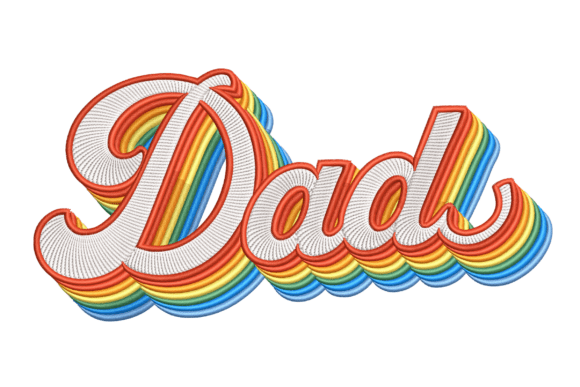
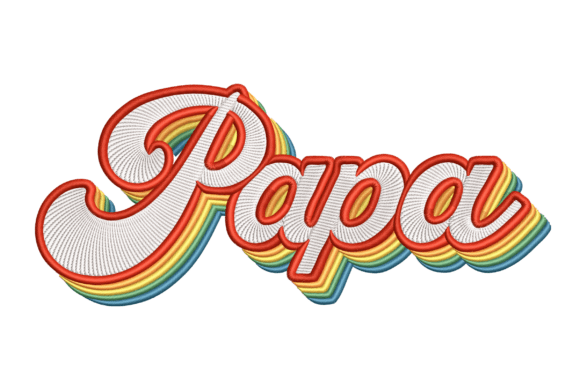
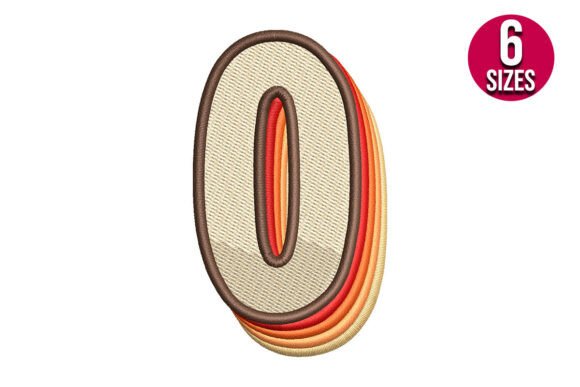
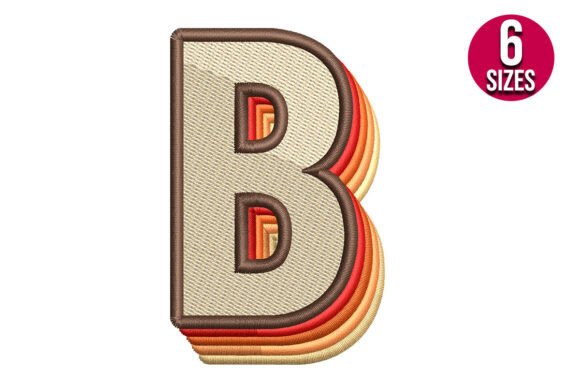
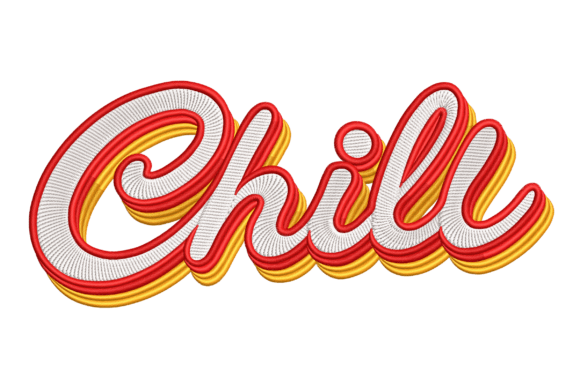
The first impression of Retro Chill is undeniably vibrant. The description highlights layers of bright red and sunny yellow behind clear lettering, creating a bold, retro-inspired aesthetic. For a custom apparel line, this color palette suggests warmth, nostalgia, and casual confidence. Unlike minimalist line art that relies on precision, this design relies on layering and density to create its 3D pop. Visually, it feels playful yet structured, making it suitable for both unisex streetwear and cozy feminine loungewear.
From a digitizing perspective, stacked text with shadow effects requires careful evaluation. The "3D" aspect implies significant stitch density. While this creates a premium, tactile feel on finished garments, it also demands respect during production. The mood is distinctly casual, fitting perfectly within the current trend of oversized vintage-style merchandise. However, because it uses specific high-contrast colors, thread selection will be paramount to maintaining that intended retro vibe without looking dated or cheap.
Best Applications for Boutique Collections
When integrating Retro Chill into a product lineup, placement is everything. Based on the visual weight described, this design shines in specific applications:
- Oversized Sweatshirts: This is the ideal canvas. The ample flat surface area allows the stacked 3D effect to lay smooth without distortion. Center chest placement works best here.
- Hoodie Design: For hoodies, consider upper back placement or a large center chest print. Avoid placing dense designs too low on the stomach area where fabric bunches when sitting.
- Tote Bags: Canvas totes provide excellent stability for high-density embroidery. The bright red and yellow threads will pop beautifully against natural cotton canvas.
- Denim Jackets: Back panel embroidery on denim offers a classic retro look. The sturdy fabric supports heavy stitch counts better than lightweight knits.
- Lifestyle Mockups: Because the design is visually striking, it photographs exceptionally well. Use high-quality printable mockup templates to showcase the contrast before stitching physical samples.
For Etsy seller listings, photographing the texture of the 3D shadow effect is crucial. Buyers want to see the dimensionality that makes machine embroidery superior to vinyl or direct-to-garment printing.
Navigating Fabric Challenges and Stabilization
While Retro Chill has strong visual appeal, experienced embroiderers know that complex designs behave differently across various textiles. The stacked nature of this design means you are putting multiple layers of thread on top of one another. This introduces specific challenges for sweatshirt embroidery and fleece projects.
Managing Stretchy Knits and Fleece
Sweatshirt fleece and ribbed knits are unstable by nature. If you hoop these fabrics too tightly or use insufficient stabilization, the dense 3D shadow effect can cause puckering or tunneling. For Retro Chill, I recommend using a cut-away stabilizer rather than tear-away to support the weight of the stitches long-term. Always test on scrap fabric that matches your final garment's weight and stretch percentage. If the design includes tiny lettering within the stack, ensure your needle size and thread weight are appropriate; otherwise, those details may get lost in the fleece pile.
Dark Garments and Contrast
The design features bright red and sunny yellow. On white or cream sweatshirts, this is effortless. However, on dark navy or black apparel, you must verify how the digitizer handled the transition between fabric and thread. Does the design include a white underlay or knockout fill? Without proper underlay on dark garments, the bright colors can sink into the fabric, losing their vibrancy. Always run a sew-out on your darkest intended garment color to confirm coverage before starting bulk production.
Enhancing Brand Value and Buyer Trust
Using trending designs like Retro Chill can significantly impact your boutique brand identity. Customers associate detailed, dimensional embroidery with higher quality and craftsmanship. A flat, poorly stabilized design screams amateur, whereas a crisp, well-executed 3D effect signals professional commercial embroidery standards.
Furthermore, consistency builds trust. If you use Retro Chill as part of a cohesive "Chill Collection," ensure your thread colors remain identical across all batches. Document your thread numbers and tension settings. When customers return for matching items or gifts, they expect the same vibrant red and sunny yellow they saw in your initial photos. Professional presentation extends beyond the stitch; it includes accurate color representation in your online store and consistent sizing across different garment types.
Essential Pre-Production Checklist
Before listing any item featuring Retro Chill, complete this technical verification process. Never assume a downloaded file is ready for immediate sale without validation.
- Verify Technical Specs: Check the Creative Fabrica product page for exact stitch count, recommended hoop size, and included file formats. Ensure your machine supports the format and size required.
- Review Licensing: Confirm the license terms specifically allow for selling finished physical products. Understand any limitations regarding digital redistribution or mass production caps.
- Test Stitch Density: Run a sample on your target fabric. Feel the back of the embroidery; if it is stiff like cardboard, the density may be too high for comfortable wear. Consider adjusting density settings if your software allows.
- Check Thread Contrast: Verify the red and yellow shades match your inventory. "Bright red" varies wildly between brands. Order missing colors before committing to a launch date.
- Inspect Small Details: Zoom in on the digitized file. Are the shadow layers connected properly? Is there adequate spacing between letters to prevent thread breaks?
- Wash Test: Embroidery on sweatshirts must survive laundering. Wash and dry your test swatch to check for shrinkage, color bleeding, or stabilizer residue.
Final Thoughts for Apparel Decorators
Retro Chill represents a fantastic opportunity for small shop product development, particularly for those targeting the cozy, nostalgic market segment. Its bold use of color and trendy 3D styling aligns perfectly with current consumer preferences for expressive, comfortable apparel. However, success lies in execution. By respecting the technical requirements of dense embroidery on knit fabrics and validating all specifications before production, you can transform this embroidery file into a profitable, high-quality staple in your shop. Whether you are creating a signature hoodie line or expanding your tote bag offerings, approaching this design with professional diligence ensures your finished product reflects the premium quality your customers expect.