Retro Number One: Vintage Charm for Etsy Products
As an embroidery business owner constantly scouting for fresh designs that translate well from screen to fabric, I approach every new Creative Fabrica embroidery find with a critical eye. It is not enough for a design to look cute in a digital preview; it must stitch out cleanly, hold up to washing, and ultimately sell. When evaluating the Retro Number One design, specifically this vintage layered 3D pattern, I see immediate potential for small shop owners looking to add nostalgic character to their inventory. This is not just another font file; it is a stylistic statement that can elevate simple blanks into premium handmade products.
Defining the Visual Personality of Retro Number One
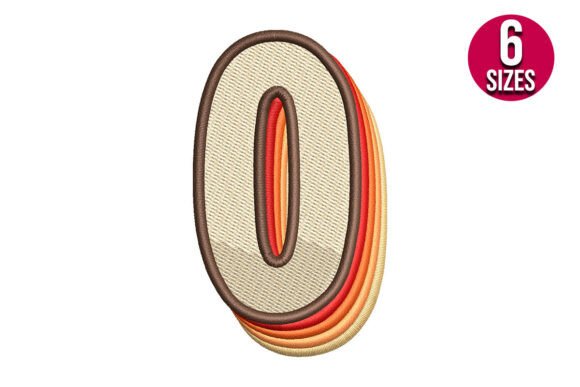
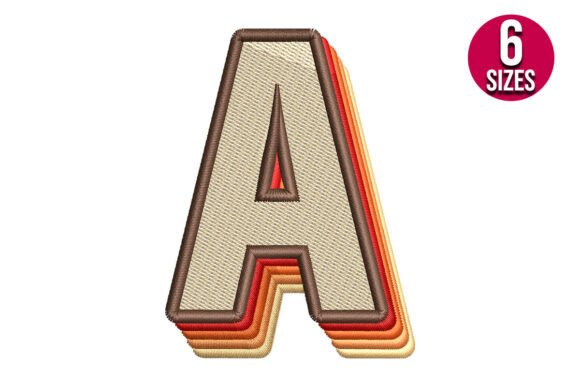
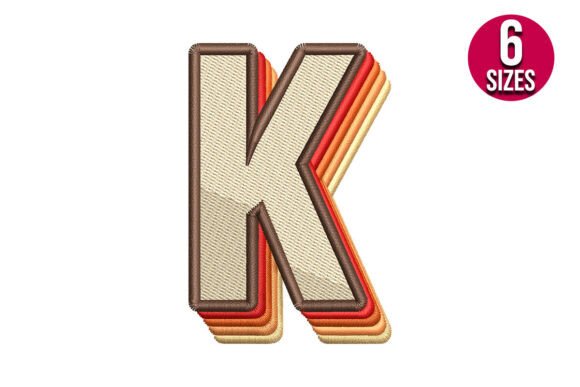
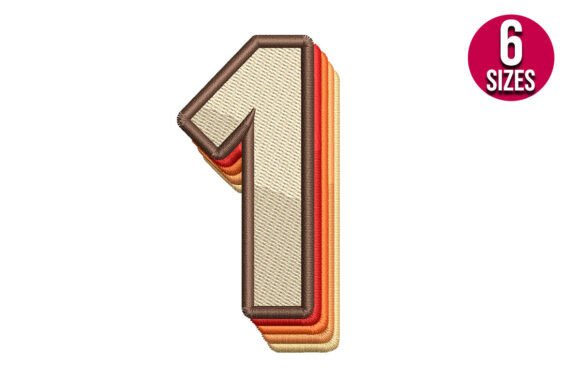
The first thing I assess when planning a new collection is the "vibe" of the design. Based on the description of this machine embroidery design, the aesthetic is distinctly vintage with a playful, dimensional quality. The "layered" and "3D" aspects suggest a design that relies on color blocking and texture rather than intricate lace or dense fill stitches. For an Etsy seller, this is gold. It feels retro without being costumey, making it versatile enough for both children’s items and adult nostalgia wear.
This specific style leans heavily into the cozy, curated aesthetic that performs exceptionally well on social media and in boutique settings. It strikes a balance between bold and delicate. Unlike standard block letters that can feel utilitarian, Retro Number One offers a decorative flair that makes a number feel like a centerpiece. Whether you are creating custom apparel or home decor, this design communicates warmth and craftsmanship, which are key selling points for buyers seeking unique gifts over mass-produced alternatives.
Strategic Product Applications for Small Businesses
When I download a new embroidery file, I immediately mentally map it to my best-selling blanks. The versatility of a single digitized number allows for high-margin personalization across multiple categories. Here is how I would integrate Retro Number One into a commercial embroidery lineup:
- Sweatshirt Embroidery: The vintage 3D style is perfect for collegiate-style crewnecks. Placing a large "1" on the chest or sleeve creates a trendy, varsity-inspired look that appeals to Gen Z and Millennial shoppers. The layered effect adds visual interest to heavy cotton fleece without requiring excessive stabilizer.
- Baby Embroidery Milestones: Parents love documenting growth. This font is ideal for monthly milestone blankets or "First Birthday" bibs. The retro charm softens the look, making it feel heirloom-quality rather than generic. As a personalized gift, these items command higher price points due to their emotional value.
- Tote Bag Design: Canvas totes are a staple for craft fairs. A bold, retro number stitched in contrasting thread colors can turn a plain bag into a statement accessory. Because the design likely uses color layers rather than extreme density, it prevents the canvas from becoming too stiff or puckered.
- Kitchen Towel Embroidery: Vintage aesthetics pair naturally with flour sack towels. Stitching family establishment dates or lucky numbers using Retro Number One taps into the farmhouse and cottagecore markets. These are excellent low-cost entry items for new customers.
- Embroidered Patch Creation: Given the distinct outline and layered nature of this font, it could easily be adapted into standalone patches for denim jackets or caps. This expands your product range without needing to embroider directly onto difficult garments.
Enhancing Buyer Perception and Giftable Value
In the competitive landscape of online marketplaces, presentation is everything. A significant advantage of using a stylized design like Retro Number One is its photogenic quality. The 3D layering creates natural shadows and depth that photograph beautifully, even in flat lays. When shoppers scroll through search results, textured embroidery stands out against flat prints. This visual pop helps your listing thumbnails perform better, increasing click-through rates.
Furthermore, this design enhances the perceived value of the finished product. Buyers associate complex-looking embroidery with higher skill and quality. Even if the stitch count is manageable for production, the layered appearance suggests intricacy. This allows you to position your items as boutique merchandise rather than basic customization. For those selling at craft fairs, having a sample stitched in this specific font can serve as a visual anchor, drawing customers in who appreciate vintage typography. It transforms a simple digitized asset into a tangible brand differentiator.
Practical Seller Notes for Production Success
While the creative potential is high, practical execution determines profitability. Before listing any item featuring Retro Number One, I strongly recommend a disciplined testing phase. As experienced embroiderers know, what looks good on a screen does not always translate perfectly to fabric. Always verify the specific details on the Creative Fabrica product page regarding hoop size, format compatibility, and licensing terms before purchasing.
Create a physical sample stitch-out on the exact fabric you intend to sell. Since this is described as a "layered" design, pay close attention to registration. Test your stabilizer choices carefully; 3D effects often require stable backing to prevent shifting between color changes. If the layers do not align perfectly, the vintage charm turns into a messy error. Experiment with thread colors to find combinations that enhance the 3D effect. High-contrast threads usually define the layers best, while tonal threads create a subtler, more sophisticated texture.
Additionally, check the stitch density relative to your target garment. If you are stitching on lightweight baby onesies, ensure the design isn't too heavy, which could cause sagging. Conversely, on thick sweatshirts, ensure the needle penetration is sufficient. Review the readability of the number at thumbnail size; if the vintage details get lost when the image is shrunk, consider simplifying the color palette for your product photos. Finally, always confirm your commercial license rights. Ensuring you have the proper permissions for selling finished goods protects your craft business and gives you peace of mind as you scale your collections.
Leveraging Digital Assets for Marketing
Beyond the physical stitch-out, consider how this digital embroidery file supports your marketing workflow. Many sellers overlook the utility of clean design files for creating promotional materials. You can use the vector or image previews associated with Retro Number One to create professional printable mockups for listings where physical sampling isn't feasible yet. This allows you to test market demand for new colorways or product types before committing to production time.
Social media previews also benefit from this cohesive aesthetic. If you are building a "Vintage Collection" or a "Back to School" line, using this consistent font across tote bags, caps, and shirts creates a recognizable brand identity. Customers begin to associate that specific retro number style with your shop. By treating this embroidery design as a core branding element rather than a one-off graphic, you maximize the return on investment from your Creative Fabrica subscription or purchase.
Ultimately, Retro Number One represents the kind of thoughtful, trend-aware asset that helps handmade sellers compete. It bridges the gap between nostalgic appeal and modern production needs. By validating the technical specs and applying it strategically to high-demand blanks, this design can become a reliable workhorse in your embroidery business, driving sales through both its visual charm and its versatility.