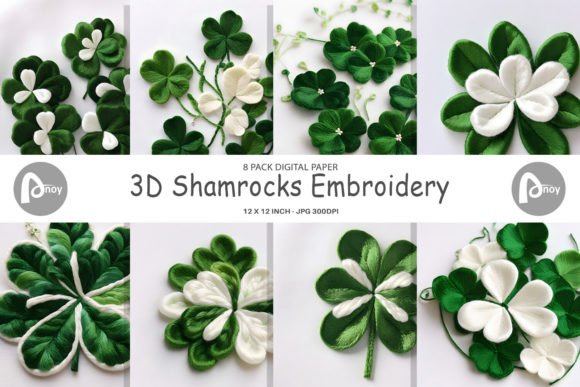
Reviewing Digital Paper 3D Shamrocks Embroidery
As a professional embroidery designer and product reviewer, I approach every new asset with a critical eye. When evaluating the Digital Paper 3D Shamrocks Embroidery collection, my primary concern is not just how the graphics look on a screen, but how they translate into tangible, stitchable reality for commercial and personal projects. This 8-pack set promises artistic excellence, but for those of us running a craft business or managing an Etsy shop, the true test lies in production viability. After analyzing the visual structure and potential application of these designs, I see significant promise for specific niches, provided they are handled with technical precision.
First Impressions: Visual Depth and Stitch Translation
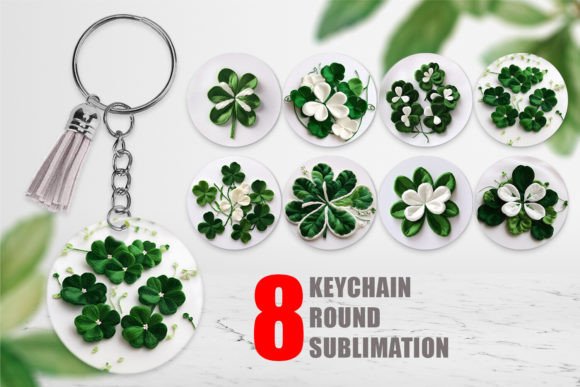
The immediate appeal of this collection is the simulated three-dimensional effect. In the realm of Graphics used for Crafts, achieving depth without excessive stitch density is a delicate balance. These shamrock designs utilize shading and layering techniques that mimic dimensionality. From a designer’s perspective, this suggests a sophisticated interplay between fill stitch and satin stitch elements. The mood is undeniably festive yet refined, moving away from cartoonish clip art toward a more boutique aesthetic.
For a handmade product creator, this visual personality is crucial. It signals quality to the buyer before they even touch the fabric. However, as an experienced digitizer, I must note that "digital paper" implies a high-resolution raster or vector origin. Before loading this as a machine embroidery design, one must verify if the file has been properly digitized for thread paths or if it serves as a background texture for mixed-media projects. If utilizing these as direct embroidery files, the transition from digital art to needlework requires careful scrutiny of stitch angles to ensure the 3D illusion holds up under tension.
Real-World Application: The Custom Tote Bag Test
To truly evaluate this asset, I mentally placed the Digital Paper 3D Shamrocks Embroidery onto a natural canvas tote bag—a staple for small shop product lines and holiday markets. Canvas provides a stable base, which is essential when stitching designs with perceived depth. In this scenario, the shamrocks serve as a focal point rather than an all-over pattern.
I envision using the largest shamrock in the pack as a centerpiece for a St. Patrick’s Day market tote. The key here is contrast. Against unbleached canvas, the greens need to be vibrant enough to pop but shaded sufficiently to maintain that 3D effect. For an Etsy seller, this specific application bridges the gap between seasonal novelty and year-round botanical appreciation. The design feels substantial enough to justify a higher price point compared to flat, single-color logos. Furthermore, because this is an 8-pack, it offers versatility; smaller shamrocks could be used as corner accents on pocket edges, creating a cohesive brand identity across a product line without repetitive monotony.
Navigating Fabric Limitations and Hoop Constraints
While the aesthetic is strong, practical execution requires caution. Not every substrate is friendly to detailed, dimensional embroidery. I would advise against using these specific 3D-style designs on highly textured fabrics like terry cloth or thick fleece unless you are aiming for a very specific, rustic look where detail loss is acceptable. The intricate shading that creates the 3D effect relies on clean stitch definition, which gets lost in deep pile fabrics.
Similarly, stretchy knits present a challenge. If you are planning sweatshirt embroidery or custom apparel on lightweight jersey, the density required to render the 3D effect may cause puckering or fabric distortion. In these cases, a cutaway stabilizer is non-negotiable. For baby embroidery items, I would recommend testing first; the stitch count needed for dimensional shading can sometimes result in a stiff finish that might be uncomfortable against sensitive skin. Always prioritize the wearer's comfort over visual complexity when creating personalized gifts for infants.
Regarding hoop size, ensure your machine can accommodate the full design area without excessive re-hooping. Multi-position hooping increases the margin for error, especially with complex alignment. If you are working with small hoops, select the individual shamrock elements rather than forcing a large composition into a restricted space, which compromises the integrity of the embroidery file.
Commercial Viability and Brand Consistency
For creative entrepreneurs, consistency builds trust. The Digital Paper 3D Shamrocks Embroidery set offers enough variation to create a capsule collection while maintaining a unified theme. This is vital for commercial embroidery businesses fulfilling bulk orders for corporate events or local festivals. Clients want merchandise that looks professional, not disjointed.
From a marketing standpoint, these designs excel in printable mockup creation. Because they originate as digital assets, they likely photograph well for social media previews before physical sampling is complete. This allows digital product sellers and makers to gauge interest and take pre-orders. However, always distinguish between the digital graphic and the finished stitched product in your listings to manage customer expectations regarding texture and sheen.
Essential Technical Notes for Makers
Before committing this design to a final finished product, adhere to these professional best practices:
- Verify Licensing: Confirm whether the license permits commercial use of finished goods, digital redistribution, or both. Never assume rights based on product category alone.
- Test Stitch Density: Run a sample on scrap fabric identical to your project material. Check if the 3D shading translates to thread or if it appears muddy. Adjust density parameters in your software if necessary.
- Thread Color Matching: Digital RGB colors rarely match polyester or rayon threads perfectly. Create a physical color chart to map digital shades to available thread colors to preserve the intended depth.
- Stabilizer Selection: Match stabilizer weight to both the design density and fabric type. Complex 3D effects often require heavier support than standard logos.
- Mockup Validation: Use black and white mockups to test value contrast. If the 3D effect disappears in grayscale, the design lacks sufficient tonal range for embroidery.
- Detail Inspection: Zoom in to check for tiny gaps or overlapping stitches that could cause thread breaks or registration issues during high-speed production.
Final Verdict for Creative Professionals
The Digital Paper 3D Shamrocks Embroidery collection represents a valuable asset for makers who understand the intersection of digital art and textile craft. Its strength lies in its ability to elevate simple projects into premium handmade goods through sophisticated visual texture. Whether you are producing holiday embroidery for a boutique launch or creating unique personalized gifts, this set provides the artistic foundation needed to stand out.
However, success depends entirely on technical diligence. Treat these designs not as plug-and-play solutions, but as raw materials requiring skilled interpretation. By respecting fabric limitations, verifying digitization quality, and testing rigorously, you can leverage this exquisite 8-pack to supercharge your creative endeavors with confidence. Remember, in the world of professional embroidery, the most beautiful design is one that stitches out flawlessly every single time.