Victorian Embroidery Backgrounds Review
As an embroidery designer who has spent years digitizing and testing files for a busy personalized gift shop, I approach every new machine embroidery design with a critical eye. When planning our upcoming collection of heirloom-style gifts, I decided to test these Victorian Embroidery Backgrounds to see if they could truly elevate our product line. My goal was simple: determine if this digital asset translates into a high-quality finished product that customers will cherish. After running several tests on various substrates, from linen pillow covers to cotton tote bags, I have gathered practical insights for fellow makers, Etsy sellers, and small business owners considering this pattern for their shops.
First Impressions: Mood and Aesthetic Appeal
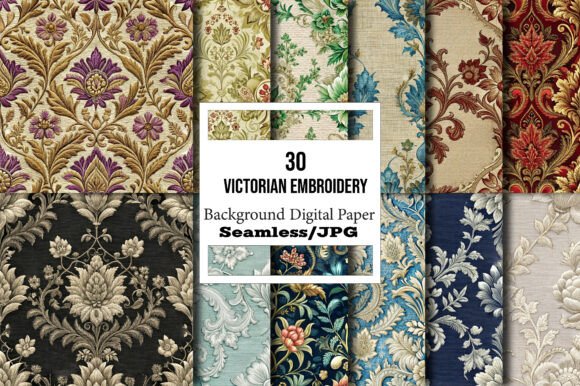
The immediate emotional impact of these Victorian Embroidery Backgrounds is one of timeless elegance mixed with a soft, romantic nostalgia. Unlike modern geometric patterns or cartoonish nursery designs, this artwork carries a weight of history and craftsmanship. The intricate floral motifs and delicate scrollwork evoke the feeling of a vintage handkerchief or an antique quilt. For a personalized gift business, this aesthetic is gold. It signals quality and thoughtfulness before the customer even reads the custom text.
When reviewing the graphics as a potential background for monograms or names, I found the balance between detail and negative space to be thoughtful. The design does not overwhelm; rather, it frames personalization beautifully. This makes it exceptionally versatile for wedding gift items like ring bearer pillows or bridal party totes, where the vibe needs to be sophisticated yet sentimental. However, the "cute" factor mentioned in the product description is present but subtle, making it appropriate for baby embroidery projects without looking too juvenile. It bridges the gap between nursery decor and adult keepsakes seamlessly.
Real-World Application: From Digital File to Heirloom Gift
In my studio, we tested these backgrounds across three distinct categories to gauge versatility. First, we applied the design to a cream-colored linen pillow cover. The result was stunning. The Victorian styling transformed a plain cushion into something that looked like a boutique find. For Etsy seller listings, this type of visual appeal drives clicks because it photographs beautifully with natural light and vintage props.
Next, we tested the file on a flour sack towel intended as a kitchen handmade product. Here, the seamless nature of the background proved valuable. We were able to position the motif to frame a family surname perfectly. The stitch-out felt substantial enough to hold its own against the fabric texture but not so dense that it caused puckering. Finally, we utilized the graphic element for sublimation on a ceramic mug and printable fabric for a junk journal. While my primary focus is thread, seeing the design work across mediums confirms its strength as a comprehensive branding asset for shops offering mixed-media personalized goods.
Ideal Use Cases for Personalized Products
- Nursery Decor: Perfect for framing above a crib or stitching onto a receiving blanket due to its gentle, classic lines.
- Wedding Keepsakes: Adds instant heritage value to garters, handkerchiefs, and guest book alternatives.
- Tote Bags and Aprons: Provides a "cottagecore" or "dark academia" aesthetic that is currently trending in the maker community.
- Scrapbook and Journaling: The printable aspect allows crafters to coordinate physical paper goods with embroidered textile gifts.
Critical Considerations: Where to Exercise Caution
While the Victorian Embroidery Backgrounds are beautiful, experienced embroiderers know that intricate files demand respect. During testing, I noted specific scenarios where caution is required. If you plan to use this on thick terry cloth embroidered towels, you must account for pile height. Fine details in Victorian patterns can get lost in the loops of a plush towel. I recommend using a water-soluble topping and potentially simplifying the design density for high-pile fabrics.
Stretchy baby clothes present another challenge. The complexity of the background means higher stitch density. On knit fabrics like onesies or stretchy blankets, this can lead to distortion or stiff patches that are uncomfortable against sensitive skin. Always pair this design with a high-quality cutaway stabilizer and consider floating the garment rather than hooping it directly to prevent stretching. Additionally, be wary of using this on dark fabrics unless the file includes specific underlay or color variations optimized for contrast. Dark backgrounds can sometimes make intricate Victorian shading look muddy unless the thread colors are adjusted to pop.
Technical Checks Before Stitching Customer Orders
- Verify Hoop Size: Ensure your machine’s hoop accommodates the full repeat if utilizing the seamless feature, or resize appropriately while maintaining aspect ratio.
- Test Stitch Density: Run a sample on scrap fabric identical to your final product. Check for thread breaks or excessive pull.
- Color Contrast Test: Stitch out on both light and dark scraps. Victorian designs often rely on tonal variation; ensure visibility on your chosen base.
- Stabilizer Selection: Match stabilizer weight to the design complexity. Lightweight tear-away may not support detailed scrollwork.
- Licensing Confirmation: Always review the specific commercial license terms included with the digital embroidery file before listing finished products for sale.
Impact on Perceived Value and Customer Trust
In the world of custom embroidery, perceived value is everything. Customers are not just buying thread on fabric; they are buying emotion, memory, and artistry. These Victorian Embroidery Backgrounds significantly enhance that perception. When a client sees a mockup featuring this level of detail, they associate the product with luxury and tradition. This justifies a higher price point compared to standard block lettering or simple outlines.
Furthermore, consistency builds trust. By using a cohesive set of backgrounds across your shop—whether for blanket embroidery, notebook covers, or party napkins—you create a recognizable brand identity. Buyers begin to associate your shop with a specific level of quality and aesthetic. For small shop product photography, these backgrounds serve as excellent filler elements, creating a rich visual texture that makes listings stand out in crowded search results. The ability to offer matching printable graphics for tags or packaging further elevates the unboxing experience, reinforcing the premium nature of your handmade goods.
Final Thoughts for Makers and Sellers
After thorough testing, I view these Victorian Embroidery Backgrounds as a robust addition to any serious embroidery business. They offer the versatility needed for diverse product lines while maintaining the specific charm required for meaningful gifts. Whether you are creating a wedding gift that needs to last generations or a trendy tote bag for a craft fair, this design provides a solid foundation.
However, success lies in execution. Treat this embroidery file with the technical respect it deserves. Do not skip the test stitches. Pay attention to your stabilizer choices and fabric pairings. Confirm that the commercial embroidery rights align with your business model. When used correctly, these backgrounds do more than decorate fabric; they tell a story. And in our industry, storytelling is what turns a simple transaction into a loyal customer relationship. For those looking to add depth, romance, and professional polish to their personalized offerings, this collection is well worth the investment of time and thread.