Fresh Lime Fruit: An Embroidery Design Review
As an embroidery designer who has stitched out thousands of files for custom orders, I approach every new machine embroidery design with a critical eye. When planning inventory for a personalized gift shop or updating Etsy listings, we cannot rely solely on digital previews. We must understand how a design translates from screen to fabric. Today, I am reviewing the Fresh Lime Fruit design specifically for makers creating personalized gifts in the Food Dining category. This review focuses on real-world application, stitch performance, and marketability for small business owners.
First Impressions: Zesty Charm and Modern Simplicity
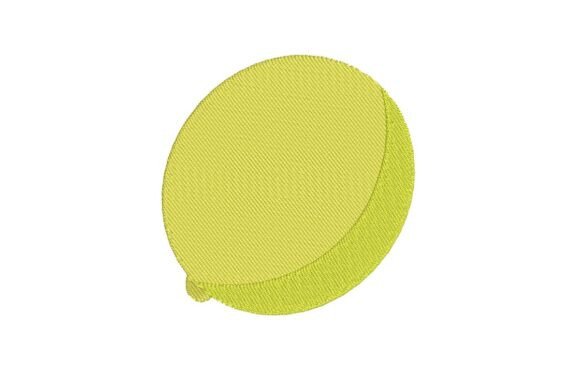
My initial reaction to Fresh Lime Fruit is one of immediate versatility. The design features a simple, round shape rendered in two tones of vibrant citrus green. This limited color palette is a significant advantage for commercial embroidery. Fewer thread changes mean faster production times and less opportunity for registration errors during high-volume stitching. The subtle 3D effect achieved through these two tones suggests a satin or fill stitch combination that adds depth without excessive density.
Emotionally, this design strikes a balance between playful and elegant. It does not feel cartoonish, which makes it appropriate for adult kitchenware, nor is it overly complex, making it safe for baby items. For an Etsy seller or handmade product creator, this aesthetic is crucial. It photographs beautifully because the high-contrast greens pop against both white linens and natural canvas. The mood is fresh, organic, and welcoming, perfectly aligning with current trends in cottage-core and modern farmhouse decor.
Real Case Scenario: The Personalized Kitchen Towel
To truly evaluate this embroidery file, imagine a specific customer request. A client wants a set of personalized tea towels as a housewarming gift for a couple who loves cooking and gardening. They want something meaningful but functional. Here is how Fresh Lime Fruit performs in this scenario.
The lime acts as a perfect anchor for monogramming. Because the shape is round and self-contained, it leaves ample negative space above or below for custom text. Unlike intricate floral wreaths that can crowd lettering, this fruit design allows the personalization to breathe. As a personalized gift, the combination of the zesty fruit and the family name creates an emotional connection that generic store-bought items lack. For the maker, the two-tone construction keeps the stitch density manageable on terry cloth, reducing the risk of puckering or stiff fabric that ruins the towel's absorbency.
Versatility Across Product Categories
Beyond kitchen textiles, I see strong potential for this design across multiple niches. Understanding where a design fits helps maximize your return on investment for digital embroidery files.
- Baby Embroidery: The smooth edges and lack of sharp details make this safe for nursery items. On a receiving blanket or bib, the lime adds a gender-neutral pop of color. However, always verify the size; a large lime might be too heavy for lightweight cotton jersey.
- Wedding Gift Keepsakes: Limes symbolize freshness and new beginnings. Paired with a wedding date on a pillow cover or tote bag, it serves as a unique alternative to traditional hearts or rings.
- Craft Fair Products: For vendors selling ready-made goods, this design stitches out quickly. You can produce aprons, coasters, and napkins efficiently while maintaining a cohesive, professional collection look.
- Nursery Decor: Use it as part of a fruit-themed alphabet wall hanging or mobile. The vibrant green stimulates visual development while keeping the aesthetic soft and handmade.
Technical Considerations and Fabric Limitations
While Fresh Lime Fruit is versatile, no design is universal. As experienced embroiderers, we must recognize where caution is required to protect our reputation and reduce waste.
Fabric Texture and Stabilizer Choice
The success of this design relies heavily on proper stabilization. If you are stitching on thick terry cloth for an embroidered towel, use a water-soluble topping to prevent the pile from poking through the vibrant green fills. Without this, the lime will look textured and messy rather than smooth and fresh. Conversely, if applying this to stretchy baby clothes, ensure you are using a cut-away stabilizer to prevent distortion. The round shape of the lime will easily become an oval if the fabric shifts during hooping.
Size and Detail Integrity
Always check the minimum recommended size before resizing. Reducing a fruit design too much can cause the two tones of green to merge, losing the 3D effect and resulting in a flat, dark blob. Test on scrap fabric first. If you plan to add small lettering beneath the lime, ensure the font height remains legible after washing. Delicate script often fails on textured fabrics like linen or canvas.
Dark Fabrics and Contrast
This design relies on vibrant citrus green. On dark navy or black fabric, the lime may disappear unless there is an outline or highlight stitch included in the file. Before committing to a dark background, create a printable mockup or stitch a sample to confirm contrast. Sometimes, adding a white underlay or outline is necessary to make the fruit "pop" on darker goods.
Impact on Perceived Value and Customer Trust
In the world of custom embroidery, perceived value drives pricing. A clean, well-digitized fruit design signals quality. When customers see crisp edges and smooth color transitions in your product photos, they trust that the finished item will withstand washing and wear. Fresh Lime Fruit supports this trust by avoiding overly dense areas that could damage delicate fabrics or cause excessive wear on the garment.
For digital product sellers offering this as a download, providing accurate metadata is essential. Buyers need to know the exact hoop size requirements and stitch count to plan their projects. Never guess these numbers. If the original listing lacks them, digitize a test run and document the specs yourself. Transparency builds loyalty among fellow makers.
Practical Checklist for Production
Before adding Fresh Lime Fruit to your permanent catalog or fulfilling a custom order, run through this professional checklist:
- Verify Licensing: Confirm whether your purchase includes commercial rights for selling finished products. Terms vary significantly between designers.
- Test Stitch Out: Never stitch directly on a customer’s item without a prior test on similar fabric weight and texture.
- Check Thread Colors: Compare the specified greens to your physical thread chart. Screen colors often differ from rayon or polyester reality.
- Review Hoop Size: Ensure the design fits comfortably within your hoop with adequate margin for the presser foot.
- Assess Washability: If intended for frequent use (like aprons or baby blankets), verify that the stitch type holds up to laundering without fraying.
- Create Mockups: Photograph the test stitch on light and dark backgrounds to use in your marketing materials.
Final Thoughts for Makers
Fresh Lime Fruit represents exactly what successful embroidery businesses need: a design that is aesthetically pleasing, technically sound, and commercially viable. Its simplicity allows it to transcend seasons, working equally well for summer picnics and winter holiday gifts when paired with the right text. By respecting the technical requirements of fabric texture and stabilizer choice, you can transform this digital file into a beloved handmade product that delights customers and strengthens your brand. Always remember that in custom embroidery, the difference between a good product and a great one lies in the testing and attention to detail.