Plant Mama: A Designer Review for Business Merch
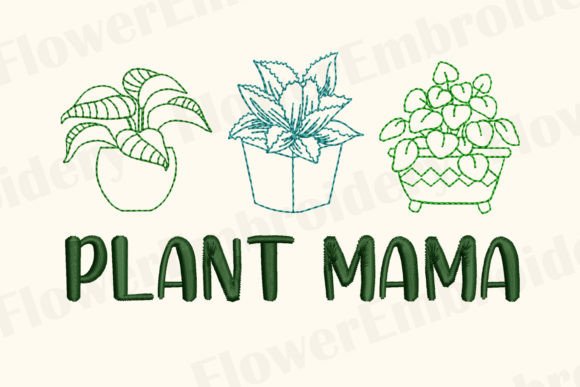
As an embroidery designer who regularly consults with small businesses on merchandise production, I approach every new machine embroidery design with a critical eye toward manufacturability and brand alignment. When reviewing the Plant Mama design, my first impression is one of organic elegance balanced with commercial viability. The combination of elegant script lettering and delicate botanical elements suggests a aesthetic that is both premium and approachable. For businesses in the florist, boutique, café, or handmade product sectors, this design communicates warmth and expertise without feeling overly rustic or unprofessional. It strikes a specific visual frequency that appeals to modern consumers who value sustainability and artisanal quality.
Evaluating Visual Personality for Brand Identity
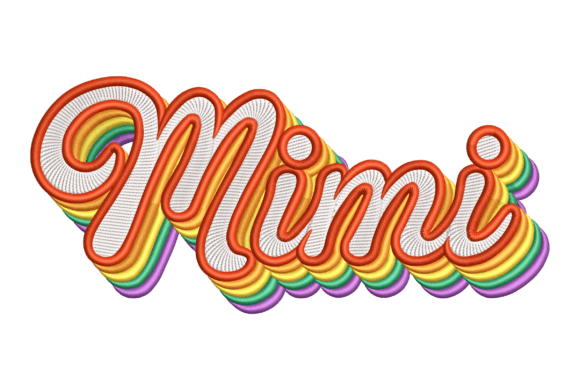
In the realm of brand identity, typography carries as much weight as imagery. The script lettering in Plant Mama serves as the primary anchor. From a digitizing perspective, script fonts are high-risk, high-reward. They offer superior flow and femininity compared to block text, but they require precise stitch mapping to prevent thread breaks or illegibility at smaller sizes. This design appears to prioritize legibility within its elegance, which is crucial for small business merch. If customers cannot read your brand message from three feet away, the embroidery fails its marketing function.
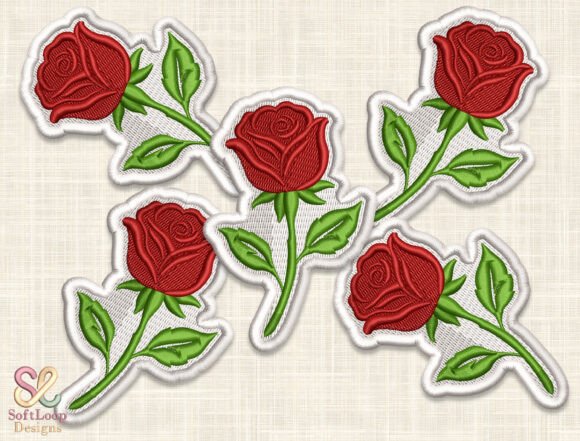
The accompanying botanical elements act as secondary visual cues. In the Single Flowers Plants category, many designs suffer from excessive complexity that translates poorly to fabric. However, Plant Mama seems to utilize these elements as framing devices rather than overwhelming focal points. This balance allows the design to function effectively across various mediums, reinforcing a cohesive look whether applied to a linen apron or a structured cotton cap. The nature-inspired motif inherently builds trust with demographics seeking eco-friendly or organic products, making it a strategic asset for green-focused brands.
Performance Across Commercial Applications
When integrating this embroidery file into a production workflow, versatility is key. Small businesses rarely have the budget for separate designs for every product type. Here is how Plant Mama performs in real-world scenarios:
- Apron Embroidery: This is perhaps the strongest use case. The vertical space typically available on an apron bib accommodates script lettering beautifully. The design adds a bespoke, high-end feel to staff uniforms in bakeries and floral shops.
- Tote Bag Design: Canvas totes provide a stable, flat surface ideal for detailed botanical work. The design transforms a generic promotional bag into a desirable retail item that customers will reuse, extending brand visibility.
- Custom Apparel: On t-shirts and sweatshirts, the design works well as a left-chest placement. The organic shapes conform better to garment drape than rigid geometric logos, maintaining comfort and wearability.
- Embroidered Patch: For businesses wanting removable branding or inventory flexibility, this design can be adapted into a patch. However, the delicate nature of the script requires careful border planning to ensure structural integrity during the merrowing process.
Critical Production Considerations and Limitations
While Plant Mama offers significant aesthetic value, professional decorators must recognize where caution is required. Not every application suits delicate script and fine botanical details. Understanding these limitations prevents costly re-runs and client dissatisfaction.
Size Reduction and Legibility
The most common failure point for script-based digital embroidery file usage is aggressive resizing. You cannot simply shrink this design to fit a 2-inch area without consequences. As stitch length decreases to accommodate smaller spaces, the risk of thread bunching and needle penetration damage increases. Always verify the minimum recommended size provided by the digitizer. If you need a version for hat tags or sleeve cuffs, request or create a simplified variation specifically digitized for small-scale reproduction.
Cap Embroidery Challenges
Cap embroidery presents unique difficulties due to the curved surface and center seam. Elegant scripts often span horizontally, which can distort when wrapped around a cap front. Furthermore, the delicate botanical accents may get lost against the textured mesh or twill of a baseball cap. Before committing to headwear production, run a sew-out on the exact cap model you intend to use. You may need to adjust the underlay or increase column width to maintain definition on this challenging substrate.
Fabric Texture and Stabilizer Selection
The interplay between fabric texture and stitch density dictates the final outcome. On smooth fabrics like poplin or satin, Plant Mama will render crisply. On textured surfaces like burlap, heavy canvas, or pique knit, the fine details of the botanical elements may sink into the weave. Proper stabilizer selection is non-negotiable here. Use a cutaway stabilizer for stretchy knits to prevent puckering around the script, and consider a water-soluble topping for high-pile fabrics to keep the stitches visible and clean. Never rely solely on tear-away backing for intricate script designs on apparel, as the tension required for clean lettering will likely distort the garment.
Strategic Value for Handmade and Retail Brands
Beyond technical execution, we must consider the return on investment. Using a polished design like Plant Mama elevates the perceived value of a handmade product. In the Etsy and craft fair marketplace, presentation drives pricing power. A professionally embroidered label or logo signals to buyers that the creator pays attention to detail in all aspects of their business, not just the core product.
For brick-and-mortar retailers, this design facilitates customer engagement. Staff wearing branded merchandise featuring friendly, nature-centric artwork become walking advertisements that invite conversation rather than projecting corporate sterility. This emotional connection is vital for local businesses competing against big-box stores. Additionally, consistent use of this design across packaging, uniforms, and social media creates a recognizable visual language that strengthens market position over time.
Professional Designer Notes for Implementation
Before loading this design assets into your machine for a full production run, adhere to this professional checklist to ensure success:
- Verify Licensing: Confirm that your purchase includes commercial rights for merchandise sales. Personal use licenses do not cover selling finished goods or branded uniforms.
- Test in Black and White: Run a sample using black thread on white fabric first. This removes color variables and lets you evaluate the pure structure, spacing, and registration of the digitizing.
- Check Thread Colors: Botanical designs rely heavily on shading. Ensure your thread palette matches the intended mood. Muddy greens or neon tones can cheapen an otherwise elegant design. Test specific thread brands for sheen compatibility.
- Create a Printable Mockup: Before sewing, place a digital mockup of Plant Mama on photos of your actual products. Share this with stakeholders or clients for approval to avoid subjective disagreements after production begins.
- Inspect Hoop Size: Ensure you are using the smallest appropriate hoop for the design. Excessively large hoops reduce tension stability and increase the chance of shifting during long stitch runs.
- Wash Test: If this design is destined for staff uniforms or frequently washed tote bags, launder your test swatch three times. Check for thread shrinkage, color bleeding, or stabilizer residue that might compromise the professional appearance of the finished product.
Ultimately, Plant Mama represents a strong contender for businesses seeking to merge natural aesthetics with professional branding. By respecting the technical requirements of script embroidery and applying strategic placement logic, this design can serve as a cornerstone asset for your merchandise lineup. Always prioritize testing and fabric compatibility to ensure that the beauty seen on screen translates perfectly to the tangible reality of commercial embroidery.